I'll read the book later—show me my LOW EFFORT score now

A Customer Can Be Satisfied With Their Claim—and Still Decide to Leave

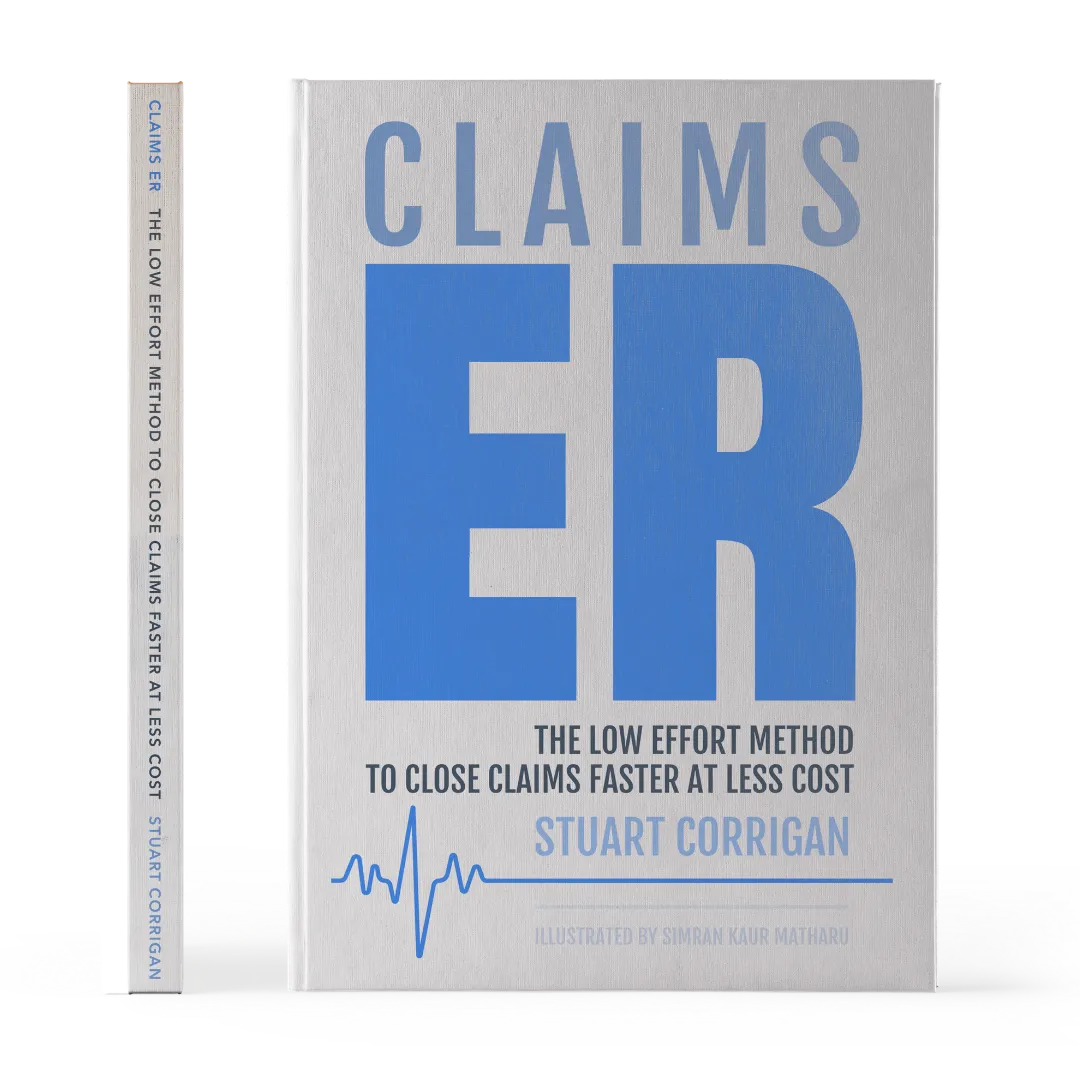
Claims ER reveals the hidden relationship between claims, customer effort and loyalty—and how a lower-effort experience can improve service while reducing operating cost. Get the complete digital book free.

Get Your Free Copy of Claims ER

Enter your details and we’ll send the complete

digital edition directly to your inbox.

By submitting, you agree to receive occasional emails about our ideas, research, and methods. Unsubscribe anytime.

The Claim Was Settled. So Why Did the Customer Leave?

  • Most insurers judge a claim by asking whether it was settled correctly, quickly and satisfactorily.

  • The customer is making a different judgement.

  • How hard did you make me work?

  • Did I have to chase?

  • Did I have to repeat myself?

  • Did anyone take ownership?

  • Could I trust you when I needed you most?

  • A customer can receive the right outcome and still remember the experience as unnecessarily difficult.

  • The claim is closed.

  • The customer leaves months later.

  • And because those two events occur at different times, the organisation may never connect them.

  • Claims ER explains why.

Satisfaction Measures the Past. Loyalty Is About What the Customer Does Next.

A satisfaction score tells you how someone felt when you asked them.

Loyalty is revealed through behaviour:

Do they renew?

Do they buy again?

Do they consolidate more of their business with you?

Do they recommend you when nobody is prompting them?

Or do they quietly begin looking elsewhere?

Claims are unusually powerful moments in a customer relationship. They are when the organisation’s promises are finally tested.

Yet many claims journeys are designed primarily around internal functions, departmental responsibilities and task completion—not around the experience of the person trying to navigate them.

The result is unnecessary customer effort:

  • Chasing for updates

  • Repeating information

  • Crossing departmental boundaries

  • Deciphering unclear communications

  • Wondering what will happen next

  • Coordinating work the insurer should coordinate itself

Every additional piece of effort sends the customer a signal about whether the organisation is competent, trustworthy and deserving of their future loyalty.

The Strange Thing About Customer Effort

Reducing customer effort can sound like an expensive service improvement. Frequently, the opposite is true.

The same conditions that make a claim difficult for the customer also make it expensive for the insurer:

  • Customers chase because nothing appears to be moving.

  • Handlers respond to avoidable calls instead of progressing claims.

  • Work moves between teams and queues.

  • Information is requested repeatedly.

  • Delays create complaints and escalation.

  • The backlog generates more work, which creates further delay.

Customer frustration and operating cost are often two symptoms of the same design.

A lower-effort experience can be better for the customer and less expensive for the organisation.

What You’ll Discover Inside Claims ER

Why satisfied

customers still leave

Why satisfaction and NPS can disguise the true effect of a claims experience—and why future behaviour matters more.

How customer effort

affects trust and loyalty

The psychological signals customers take from chasing, repeating themselves, waiting and navigating organisational boundaries.

Why conventional claims

operations create avoidable work

How functional silos, task specialisation and fragmented measures make claims harder for customers and employees.

The hidden cost of

failure demand

How much capacity can be consumed responding to work the organisation unintentionally created for itself.

Why every measure can be green while customers wait

The “watermelon effect”—and how apparently successful departments can combine to create a failing end-to-end experience.

The Low Effort

Method

A practical approach for studying demand, identifying unnecessary effort and redesigning the claims journey around better flow.

How to test a different

design safely

How a controlled experiment can demonstrate what works before asking the wider organisation to change.

What You’ll Discover Inside Claims ER

This Is Not Merely a Theory

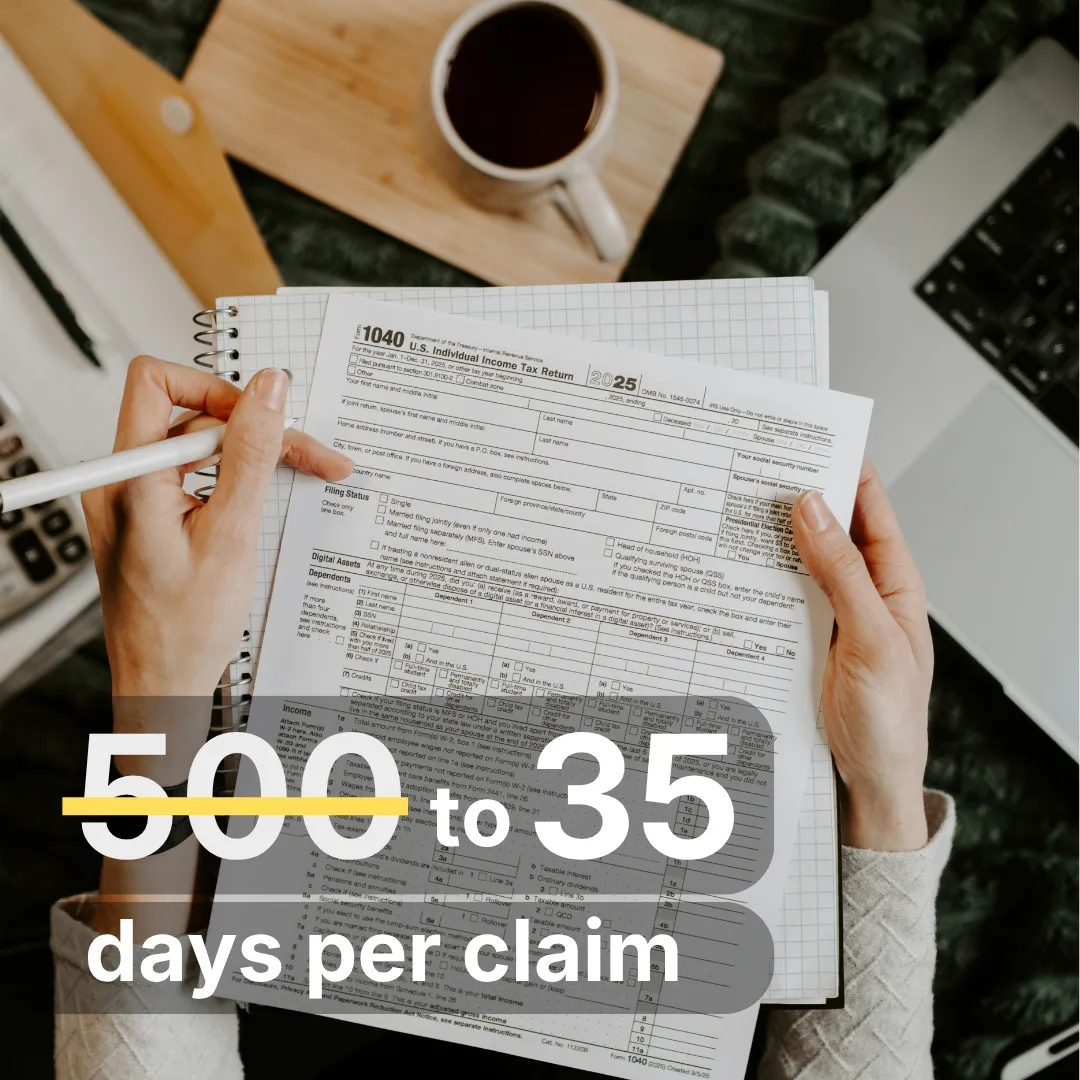
In one claims operation, the existing design had produced end-to-end times of approximately 500 days.

— The people weren’t lazy.

— They didn’t lack commitment.

— And the organisation didn’t need another motivational programme.

— The problem was the design of the work.

By changing the rules governing how claims moved through the operation—not adding headcount or introducing major new technology—the organisation reduced end-to-end time from approximately 500 days to 35.

— The same team.

— The same core technology.

— A fundamentally different experience for the customer.

— The result wasn’t achieved by making people work harder.

It came from removing the conditions that made customers and employees work unnecessarily hard in the first place.

Claims ER Is for You If…

  • You lead claims, operations, customer experience or transformation.

  • You want to understand what customers really remember about a claim.

  • You suspect satisfaction measures aren’t telling you the complete story.

  • You are accountable for loyalty, retention, service, cost or cycle time.

  • Your customers chase for updates or repeat information.

  • You believe the problem may be structural rather than motivational.

  • You want a practical way to investigate and redesign the experience.

It probably isn’t for you if you believe claims are simply transactions to process—or that the only answer is more people, tighter targets or another layer of technology.

about Stuart Corrigan - Best-selling Author & Entrepreneur

Stuart Corrigan writes about the strange psychology of customers and the companies that serve them.

He is the founder of Descartes Consulting, a specialist consultancy helping organisations design lower-effort customer experiences and service operations.

For more than 15 years, Stuart has worked with insurers, banks, housing organisations and public-sector services—combining systems thinking, operational design and the psychology of customer behaviour.

His work has helped organisations dramatically reduce end-to-end times, remove avoidable demand, improve productivity and create better experiences without simply adding people or technology.

Claims ER brings those lessons together to explain an overlooked commercial truth:

The experience of making a claim doesn’t merely determine whether the claim is settled. It helps determine whether the customer stays.

Get the Complete Digital Edition Free

Discover why customers forgive some companies but leave others—and why reducing customer effort may be one of the most effective ways to protect loyalty while improving operational performance.

Send me the free book

By submitting, you agree to receive occasional emails about our ideas, research, and methods. Unsubscribe anytime.

© 2026 Descartes Consulting Limited. All rights reserved.

Registered in Scotland under company number SC787331.

Registered office: The Old Station Cowdenburn, Lamancha, West Linton, Borders, Scotland, EH46 7BD.

Descartes Consulting Limited and service providers, including Calendly, process information needed to manage appointments. Do not submit sensitive, financial, medical, pension or other confidential information through booking forms. All content is for general business and educational purposes only and is not legal, financial, pension, tax, actuarial or other regulated advice. Results are not guaranteed, and viewing, booking or contacting us does not create a consulting relationship. Where disclosed, content may be sponsored or contain affiliate links, and we may receive payment, benefits or commission at no extra cost to you. This does not guarantee suitability, and views expressed remain our own. Case studies are illustrative, relate to specific circumstances and do not guarantee similar results. Figures should be read with the stated methodology, period, baseline, conditions and verification status and may not be independently audited.